

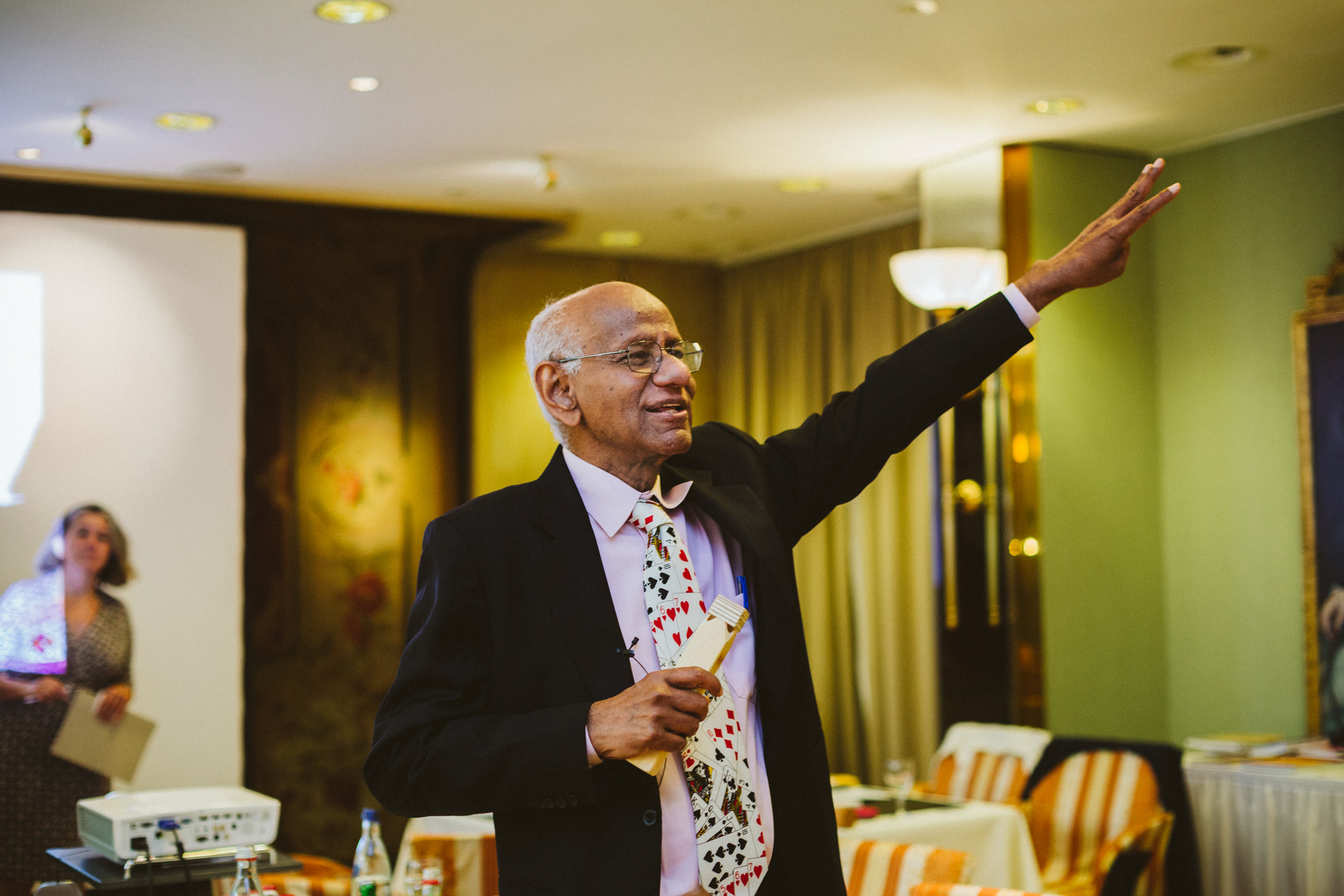
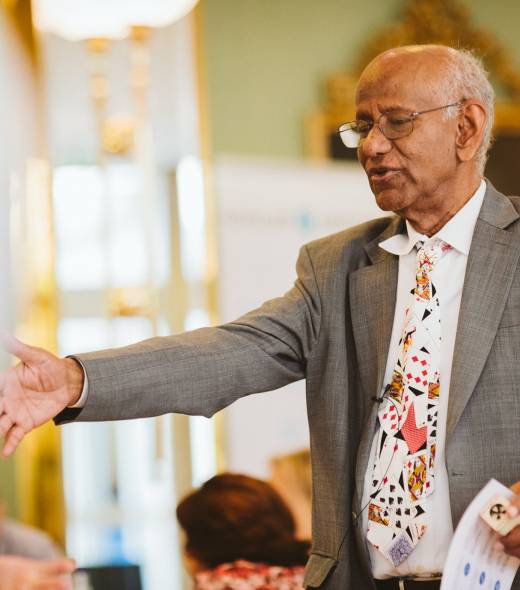
Over four decades, he has demonstrated that learning is effective when participants think, decide, and act—not when they listen. Thiagi is the author of more than 40 textbooks, the developer of over 90 educational games and simulations, and hundreds of field-tested learning architectures used worldwide in education, science, and organizations. His contribution lies not in individual methods, but in a consistent design principle: content is not explained, but discovered through activities.
I have been working closely with Thiagi for over ten years. Our partnership stands for consistently effective learning architecture: clear learning objectives, minimal instruction, maximum engagement. I specifically apply Thiagi’s methods—from structured interactions to simulation-based learning formats and card-based decision-making processes—in leadership, team, and transfer formats. The result: high engagement, robust insights, and sustainable transfer into everyday work.
Seminar with Thiagi: Interactive Training and Teaching Strategies & AI
Together with Thiagi, I have been offering an intensive 3-day (online) seminar on interactive training and teaching strategies for many years. The seminar is aimed at trainers, teachers, professors, facilitators, and instructional designers who want to make learning more effective—moving beyond lecture-style formats, PowerPoint routines, and arbitrary methods.
The focus is on the consistent design of learning activities: structured interactions, games, simulations, jolts, card and frame games, as well as interactive lectures. This is complemented by the thoughtful use of AI assistance systems in learning and training design. The goal is not “more methods,” but better decisions in the design of learning processes—situationally appropriate, scalable, and transfer-oriented.
The seminar is held regularly on an international basis, live online, with extensive materials, recordings, and access to the digital learning platform. It bears the BDVT’s “Recommended Seminar” seal.


• Dr. Alexander Britz
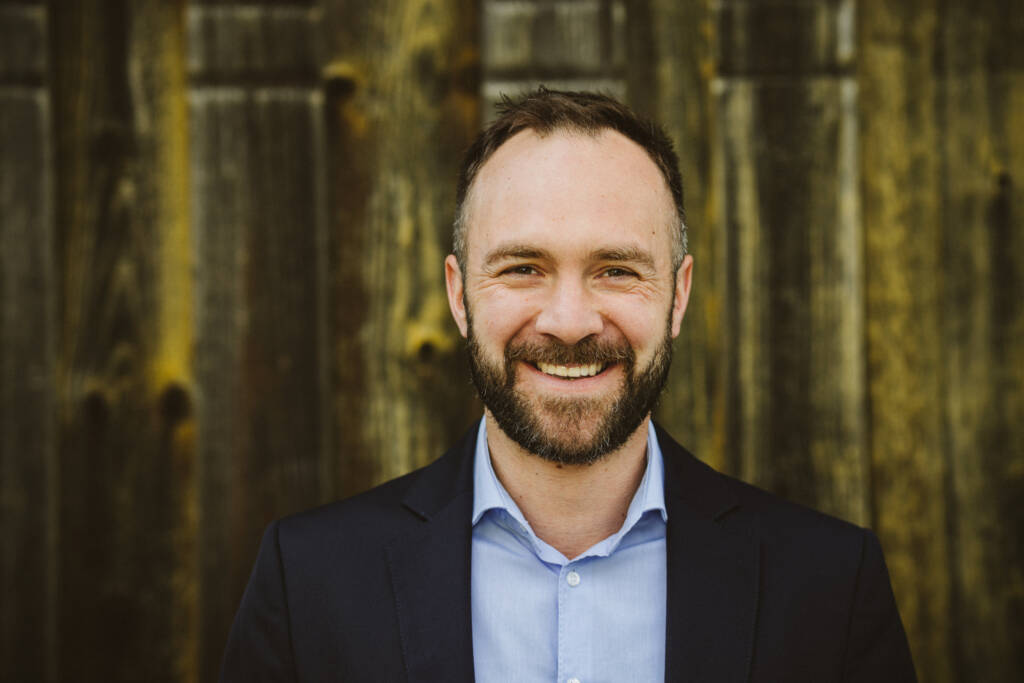
AI Empowerment, Leadership, Project and Time Management
Dr. Alexander Britz is a trainer and facilitator whose mission is to equip scientists with the methods and tools they need to succeed in their careers. As a physicist with a Ph.D., he previously worked in interdisciplinary research spanning physics, chemistry, and materials science. In his workshops and training sessions, he focuses on digital skills—including data science and artificial intelligence—as well as effective communication, presentation, and leadership.
> Webpage
• Dr. Juliane Handschuh
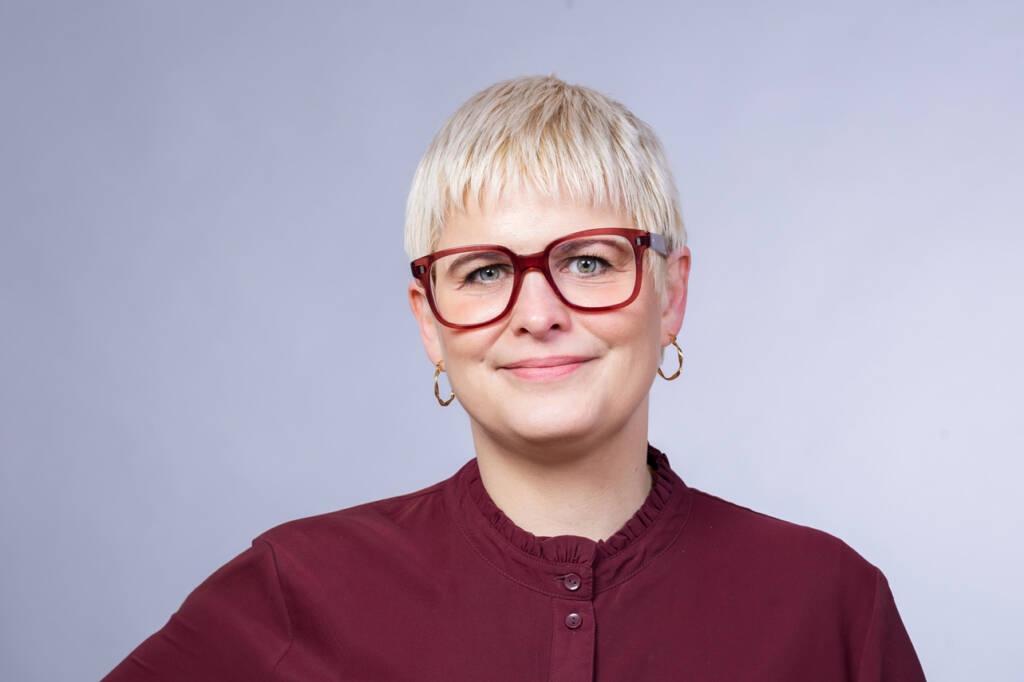
Diversity, Career, Self-Presentation
Juliane Handschuh holds a Ph.D. in neurobiology and has over 10 years of experience in research and teaching at university and non-university research institutions. As a freelance trainer with over 5 years of experience in scientific human resources development, she supports scientists in the areas of communication, leadership, career development, and time and self-management—and is particularly committed to promoting diversity and equal opportunity in science.
> Homepage
• Dr. Jan Schmidt
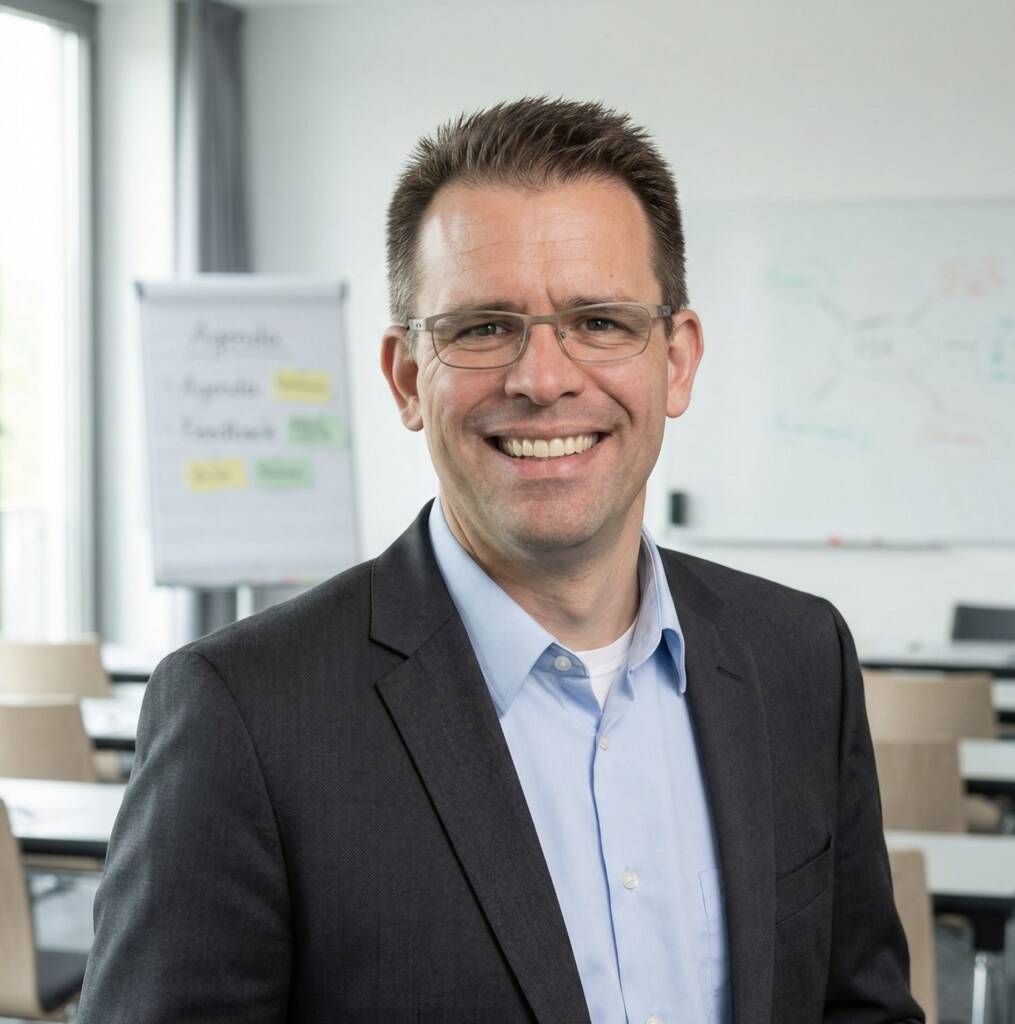
Leadership, Conflict Management, Agile Work Techniques
After 14 years in academic administration—including over 10 years in leadership roles—he took the leap into freelance work: that is the short version of Dr. Jan Schmidt’s professional biography. Today, he works as a trainer and consultant for universities, public administration, and companies, and has firsthand knowledge of the dynamics between strategy, culture, and everyday practice. As the founder of the European Institute for Academic and Professional Development (EIAPD), he combines international perspectives with pragmatic implementation.
For over 10 years, he has been designing and facilitating training sessions on leadership, communication, conflict management, and the meaningful use of AI—always with a focus on what truly makes a difference in everyday work. His style is engaging and dialogue-based: He consistently draws on participants’ prior knowledge, brings humor and energy to the room, and ensures that learning takes place not just through slides, but through real conversations, exercises, and clear steps for applying what’s learned.
• Dr. Christian Baron

Team, Organization & Systems, Projects
Dr. Christian Baron is a trainer, consultant, systemic coach, and author specializing in academic and research contexts. With a Ph.D. in materials science and 10 years of leadership experience in academia and industry, he understands the unique pressures faced by researchers—from publication pressure to career uncertainty. As the founder of zusammen-weiterdenken, he has been supporting scientists and their research teams for the past 5 years in career transitions, improved collaboration, and sustainable work practices.